Episode 4
Inside Microsoft's Copilot Champs Program: Secrets to Scalable AI Adoption
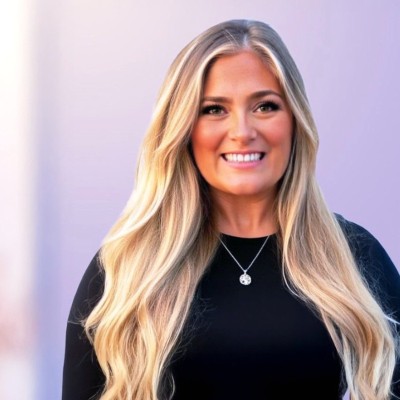
Cadie Kneip · Senior Readiness Business Program Manager, Microsoft
Share:
Show Notes
Samuel sits down with Cadie Kneip, Senior Readiness Business Program Manager at Microsoft, to uncover the secrets behind successful AI adoption in organizations. With her innovative Copilot Champs program, Cadie has created a movement that transformed how Microsoft employees embrace and share AI tools.
Key Takeaways
- How the Copilot Champs program drives grassroots AI adoption at scale
- Building a community-driven approach to technology enablement
- Practical frameworks for creating AI champions in your organization
- Lessons learned from deploying Copilot across Microsoft’s workforce
Resources
MicrosoftCopilotAdoptionChange ManagementCommunity
Samuel
Hello, Cadie. So first, a big thanks to joining us today. It's a real pleasure to have you on the show. Honestly, there's not a single day where I don't have a question from one of my customer about how they can create adoption for Microsoft 365 Copilot. And there's not a single day where I don't talk about the work you did at Microsoft with the Copilot, so I'm really, really happy you're on the show today so we can share that with the broader community and with our customers and organization out there that will love to learn. How to create adoption for GenAI tools and in that case specifically Copilot. So can you please maybe start by introducing yourself and telling us your role and how you get involved in the Copilot Champs program?
Cadie Kneip
Sure. Thank you so much for having me. I'm so happy to be here. And anytime to talk about. Champs program makes me super excited. So please interrupt me and get me to stop talking and take a breath. That's what I always tell people is remind me to breathe because I get excited. So my name is Cadie Kneip. I live in Bellevue just outside of Redmond where Microsoft headquarters is. I am a senior readiness business program manager in the employee experience success group in Microsoft Digital. So it's kind of interesting because I clarify that I'm a readiness BPM. And a lot of people haven't heard of that role. So readiness BPMs essentially create Microsoft employee readiness for new tools. So we work really closely these days, especially with customer zero initiatives. So making sure that Microsoft is our first and best customer for our products. And having background in readiness means I create a lot of training materials. So a lot of the especially as Microsoft employees, see this a lot. We see clips, we see GIFs, we see how-to videos, training decks, all that kind of stuff. So that's what my team kind of classically does along with like facilitated trainings, Viva Engage courses, kind of thing, Viva Engage Viva Learning courses. And.. How I got involved with Copilot Champs community is leading up to the Copilot release for Microsoft employees. I was working on Viva's customer zero product. And our experience landing with landing and adoption for Viva and Copilot are like night and day, just because Viva was in the depths of lockdown or the world was in lockdown when were trying to launch Viva. So a lot of our customer zero story was around.
Samuel
Yes.
Cadie Kneip
Hybrid work or fully remote work. And so everything we did in terms of readiness was we need to do self-serve on-demand content and try to make it work for people. And one of the ways that we did that was, Microsoft Digital also has a really amazing corporate comms team and we partner with them a lot and they stood up a, what they called an influencer kit, SharePoint site. And the point of that was just to have a central place for Microsoft employees to go to find all of the assets that you can self-serve, self-teach yourself about Viva. And it was pretty, it was a good program. It was fun. It was great. To have something like that stood up. But we stood that up. I went on maternity leave thinking I've got 30 videos up about Viva Insights last day. And so we're gonna come back and there'll be tons of views on it. And I came back and there was like five. And I was like, man, okay, we gotta do something different here because. There's amazing content being put out by my peers and we can't just rely on people to self-discover them or even if we put a link out there for people to consume them. So that was kind of already on my radar. And then when they brought me in, a year later, said, we're going to, or Viva's maturing beyond our customer zero efforts a little bit. So when we're starting to ramp up Copilot, do you want to come into Copilot and I was a little salty about the low video view thing and I was like you can bring me into Copilot but only if you let me try something different with this with this approach so that was kind of when I started Copilot Champs and which I guess one thing I kind of skimmed over is. During the in-between time with Viva and Copilot, I got my digital marketing professional certificate and I started studying, I started studying Octalysis for gamification. And so I kind of had these like two big ideas around gamification and around influencer marketing, just like top of mind for me. So I just kind of like tried to apply those things internally. And that's how the concept of Champs got started. So I think for anyone who's sitting.
Samuel
Great.
Cadie Kneip
Back thinking like what are you talking about? What's a Champs community? Think of it as a internal program that runs marketing or internal influencers for Microsoft. The difference is we're not trying to sell anybody anything necessarily. It's an education tool.
Samuel
Yeah, that makes sense. Honestly, so I'm part of the Copilot Champs program and honestly, it created so much enthusiasm of using those tools and being, proud of sharing with the broader community of how to use those tools because it's a muscle that needs to be built, right? At the end of the day, we need to learn how to use those tools and then create this enthusiasm from other people in the organization so they want to share and then it's just, creating did this community enthusiasm to want to share and create new contents and then improve the adoption of Copilot. Yeah. It seems to be a big part of the program, I mean, the community engagement, right? So how do you foster this sense of community among the Champ? Mean, what kind of events are you organizing?. How do you make sure that people will get involved and engaged? And it's just not, another program that's sitting there and basically don't have the impact expected.
Cadie Kneip
Totally, yeah. And you're hitting on something that customers ask me about all the time when other people want to stand up a Champs community is how do I get people to actually be involved in it? Because the value of it really comes from the, like you're saying, the content, the input, the interactions that we have with our Champs. And you can go ahead and stand up the most organized platforms. And if people aren't participating in it, it's really useless. So being the.. The one person who created the community and manages it and organizes everything with it, like the one kind of person on the backend for it. I do put a lot of effort into checking the Viva Engage, checking our Teams channels and our SharePoint sites just kind of like all day to see like what's going on, how can we drive engagement and how can we empower Champs. To feel like this a good place, this the right community for you to share whatever is going on. Some of the main ways that we see people engage is, one is the Copilot Champs community, I think because it has the Word Champs it, people assume that it's SMEs, it's definitely not. The only requirement for being a champ is to have some level of passion about AI and Copilot and a desire to drive that and show examples of what that is in your life and help others at Microsoft with that experience so that we can be, have the most holistic customer zero experience, right?. So I do put, if there's a quiet spot or maybe a day where we're not having a lot of engagement in one of the channels, that's where you'll see me put a contest in or a poll asking for people's feedback. And keep conversations running. We do have a lot of people ask questions in there, technical questions, sales questions. And obviously that's not me. Like I'm not the person that's going to have those answers for you, but I engage with every single one of those questions. I'll follow up and say, did you find an answer for this or ping somebody or tag somebody that I know in a product team or on more of a technical side and be like, this person, can you help point us in the right direction for that? So just I think part of that is hopefully finding the answer that somebody's looking for, but also showing that person and others in the community that we hear you and we see you. And it's important to me that you're here because I think there's nothing worse than like going out on a limb and posting in a public or like a larger forum and having dead air. Even for myself in this group, when that happens, it doesn't feel good. So I'm really deliberate and I try really hard to make sure that people have that kind of engagement and kind of reinforce the community element of this program.
Samuel
So you're leveraging a lot the community members, right? I was about to say, it seems like a lot of work, but basically you're creating those relationship between the member of the communities, right? And so they can leverage each other and find new ways of using the tools and generating value.
Cadie Kneip
Yeah, think that, I think a lot of people who are studying AI adoption and enablement are finding the same thing, is peer-to-peer training and peer-to-peer adoption efforts is by far the most effective way to do that. And I think.. This can be a controversial thing to say, but I say it all the time, so it's fine. But I think that a lot of people, when productivity AI started coming out and GenAI started coming out, they immediately had a bad taste in their mouth or a diversion to it because it's like, I don't want to give up this part of my job to an AI and have it replace me. And I think that's a fear that people still really, really struggle with. But the reality is that.. You it's not, if you're using it the right way, it's an extension of yourself. It's not a replacement of you by any means. So I could go on and on about this, but I'll try not to ramble. It's, what we do with the Copilot Champs community and what a lot of other programs who lean into peer-to-peer adoption focus on is humanity, is using AI to enhance our humanity or to enable it even more. Because for example, with what you do, with working with our customers and partners is it's your human side that people are drawn to. You're kind to people, you're enthusiastic with people. And it's not the part of you that was trained to be a computer that did that. And I think a lot of people. In my generation in particular, maybe, went through high school and college kind of being told like the more like a computer you are, the more likely you're going to have a successful job or the more value you're going to bring into the workforce. And I think that AI shakes that up a lot because anything that we can pass off to an AI or a computer, it frees up that time so that you can do your talents and what your passion it about and lean into that a little bit more because like you were hired because you're great with people right you were not necessarily hired because you're amazing at a mundane task that can be automated so that's kind of what we're leaning into with having peer-to-peer storytelling peer-to-peer use cases peer-to-peer driven adoption strategies that's kind of the whole underlying mission of what we're trying to do.
Samuel
I love it. I was having a discussion with a customer literally 30 minutes before the recording of this podcast and the customer were telling me, we have some scenario out there on Copilot.com, I don't see it on MicrosoftCopilot.com and it's kind of a one-size-fits-all and I find that customers are telling me how we don't recognize ourselves in those scenarios because again, it's a one-size-fits-all doesn't.
Cadie Kneip
You.
Samuel
Necessarily exists, right? Every organization, every person of every department will probably use AI from a different way. And I think there's space to be creative there. And I think that, like you mentioned, the peer-to-peer, someone working in HR, finding a new use case to use Copilot for HR will be far more efficient than somebody from IT trying to teach someone from HR how to use those tools, right?
Cadie Kneip
Yeah, definitely. And I think there's two ways you can come about it too, like where.. For me, particularly, I don't like necessarily if somebody tells me to use something because you're telling me to like I need to or the, like the bosses, I'm going to be really put off by it and less likely to want to adopt it. But if I see somebody like yourself or a peer who I respect and relate to using it naturally in their job, it becomes something that I'm going to be much more curious about. And you're going to hit on things that. I'm going to want to try. Think a couple of examples that come to mind when you think about different roles using different.. Copilot let's say in particular AI Copilot in different methods or different use cases is Also the ability to fill in different gaps in your skill set So for example, like I said, I'm not a technical person Not a numbers person. And so those are two big big gaps in my skill set And the reality is that it does it you don't even realize it but it kind of does limit me to get things done on my own so I could be like. I mean, even over the summer for Hackathon, we stood up an idea that I had to gamify Copilot usage. And all I could do was create the deck and create the storyboard for it. And then we had to rely on so many other people to come in to do the technical side of it. My ideas kind of stopped there, right? And.. In the last couple of weeks, I was working on that leaderboard again and thinking, I kind of want to reimagine the whole thing. How can I do that? And so I went into Copilot, told it exactly in a lot of detail. Here's what this leaderboard needs to be. It needs to live on SharePoint. It needs to be works council and GDPR compliant. And the tools that I have are SharePoint, Power BI and forms, right? And then I'm also, I'm a little bit more of an advanced prompter. So I'll also go ahead and put in something like, Copilot, don't forget, I'm not a technical person, use simple language with me, and most importantly, help me go one step at a time. So don't move on to step two, don't even let me see step two until you confirm with me that I have step two done in that process. So anyway. Two or three days later of going back and forth with Copilot like this, I have a really robust leaderboard that looks the way that I want it to, that works the way that I want it to. And I did that by myself, right? So that's super rewarding. And a more simple, relatable example of that might be, again, somebody who's not numbers oriented to be like, can't use Excel. I'm definitely not going to be able to use Python. And then, of course, with Copilot. You can you can not only can you do something like that, but you can do it in seconds. Like the amount of like personal empowerment and enablement that you can get from Copilot by filling in gaps that you have in skilling is enormous. And I think that's the kind of storytelling that you and vulnerability really that you only really see through something like a peer-to-peer adoption strategy, because otherwise it's just it's the basics. We can all see how to have it. Summarize your emails 20 times.
Samuel
Yeah, yeah, love it. And something I really like that you just mentioned is that you're not a technical person, but you're an advanced prompter. People think it's the same. Most of the end user I'm talking with think they need to be super technical to be good at prompting, but it's two separate things, right? It's like, you need to be technical to use Google or Bing and ask a question, right? No, I know you don't. And it's just a new way of using.
Cadie Kneip
Yeah. Yeah.
Samuel
Those tools, mean, 20 years ago when people started using Google, they had to learn a bunch of things, right? And that's the same with Copilot. You don't need to be technical, you just need to be like your assistant actually, and you just have a conversation with it. And when people get good with it, then they can improve. And so I like the fact that you're not technical, but you're an InvisPromter. Just prove that you can do so much without knowing the tech that necessarily lies behind, right?
Cadie Kneip
Yeah. Totally. And I will just do a quick plug, I guess, since you brought up advanced prompting is, I know you have Camp Copilot later in the questions, so we'll get to Camp Copilot, but we're publishing some of the courses that our Champs have created. External datadoption site, and one of them is the art of prompt engineering. And that is where I learned how to be an advanced prompter. So we can get into that in a minute, but yeah.
Samuel
That's great. And I'll reshare once it's released for sure. There's so many people asking me for that. Know, obviously is, it will be crucial for adoption. What are the key training and enablement activities that are part of being a Copilot champ? Like what activities are Copilot Champs are participating in and how does it help drive the Copilot adoption?
Cadie Kneip
Capital. Yes, to make them. Yeah, yeah, so. When you sign up to be a Copilot Champ, immediately you receive an automated email from me with like top 10 things you need to do right away. And if you're somebody that's like already, familiar with Copilot or you feel like you're an advanced user, go ahead, it's, skip ahead and start using the materials we give you. But if not, if you're signing up and you're new, I have seven to nine hours of Copilot training for you to take. It's stuff like learning how the graph works on the back end. There's a lot of stuff and it's all M365 based. So it's learning how things work in the different apps and stuff like that. So we have tons of material for training a champ up. Again, it's not that first level of training is just kind of getting you comfortable with Copilot. But one of my favorite things that we have in there is, I think we have four now. Complete hour-long train-the-trainer facilitator decks and complete with really robust talk tracks. So even if you're somebody like me and you're not tactical, maybe you're not like the most confident presenter. I could still day one of being a champ crack open one of these train-the-trainer decks and do what we call power hour, which is a Copilot 101 basically session for my team. So, and we have multiple levels of that we have available for them too. So I see the power hour is kind of the standard that we expect everybody to be able to do. But. As I said, we have a lot of gamification within our program too, like lot of badging, a lot of Credly badges that you can earn, and we reward Champs on any Copilot enablement activity that they drive. That really could be something as small as posting an example of your favorite prompt in Viva Engage, and it could be something as large as doing a massive training or a massive demo. I think there's. A lot of the training that we enable as EES, Microsoft Digital, is we're trying to scale the training that we already do, like those facilitated sessions. So we kind of try to equip Champs with what we do. And then the Champs community itself is about making that real, making that human, and reaching people where they are. So that's like, get creative. If it's writing a newsletter, if it's posting your favorite prompt somewhere. If it's that you have a slide at the end of a deck you're already presenting that's not about Copilot, include one slide about Copilot at the end of it, know, that's showing something about it. Yeah, we do a lot to try to enable anything, any way that you want to drive Copilot or share, we try to do whatever we can to make that really easy.
Samuel
I'm a hundred percent sure I will have this question after the podcast from our customers. Now you mentioned this training material. Know it's built by Copilot Champs inside of Microsoft, so Microsoft employee, right? Is this some of it available to our organization out there, to our customer? I know you mentioned this advanced prompt training program that will be available soon. Is there anything else that comes from the Copilot Champs program that is available to our customers?
Cadie Kneip
Yeah. Yeah, what's awesome is even today we have the Copilot Champs Community Framework up on the adoption kit. So if you're a customer and you're like, I want to try to stand up my own Champs community, we've got a framework that you can use to get started with that. And then there's other trainings available in the adoption kit as well that you can download. As far as like more advanced sessions, actually even not advanced sessions, but like I said, we have this Camp Copilot concept. And within that.. It's meant to take you through a complete Copilot like skill upskilling journey. So like I said, there's the one that's on prompting. There's one that's on, that's more of a power hour idea. So it's like beginning in mechanics of Copilot. And then there's one at the end, is daily habits are making it real. And we get into more example based content there, but regardless, those three major sessions. Will be available in that Camp Copilot package for download. And again, they're full facilitator decks, so there's top tracks, there's screenshots, anything that you need. And if you're building your own.. Champs community, highly recommend as soon as you can running a Camp Copilot within that group. It's so fun. And the package that we're going to publish has everything you need to gamify it and to identify presenters and all kinds of things. So it's very, very fun. And it's really effective. Know that.. Go ahead.
Samuel
It's not available yet, right? It will be, it will be available soon.
Cadie Kneip
Yeah, that will be available soon. If you're interested in finding out what Champs material is available already externally. The quickest way to do that is to go to Microsoft's InsideTrack blog. And if you search for Copilot Champs, I think there's 10 articles already that are profiles of Copilot Champs. And a lot of them have recordings of demos or best practices or stories that they've told within that. I think you have one. If you don't have one, you're getting one ready, right? InsideTrack article. Or you've been interviewed. Yeah.
Samuel
Be happy to.
Cadie Kneip
Yeah, you've at least been interviewed in a couple of them. But yeah, so those are really fun. It's really cool to see people in different roles and how they're using Copilot. So inside track is how you're going to find a lot of that stuff.
Samuel
Okay, great. I'll make sure to drop the link in the description of the podcast. You mentioned Camp Copilot. Just before I go to Camp Copilot, I'd just like to expand on the power hour because I know what is the power hour because we have all kind of power hour here at Microsoft, but for people listening to us that are not familiar with the concept, so what's the power hour? And if I'm a customer organization trying to drive adoption, how can I set up one?
Cadie Kneip
Yeah.
Samuel
What kind of effort is required.
Cadie Kneip
Right, right. I think if you're a customer and you want to run a power hour for your organization or your team, it's more than a 100 level Copilot training. I think that's kind of where it starts is like, 10 minutes of here's the places where Copilot presents itself or it surfaces itself. And in these apps. And with the power hour, it's kind of a crash course. So we're not going deep into any one functionality. It's more.. Here's all the places you can find Copilot. Here are some of the functionality that Copilot can do for you and how to use it. And what it's meant to do is really give the audience a teaser of what Copilot is capable of and make them want to go explore more of it. Yeah, within the Camp Copilot package, will be, I think we even use a more friendly name for it in that package. Call it Camp. We call it Copilot. Kickstarter, that's another great way of thinking of it. It's not necessarily like super beginner level. It's a combination of beginner level things to get you kind of established and then more advanced things to get you curious and more ready to explore.
Samuel
And it was running the power hour. Like it's a subject matter expert. It's super users.
Cadie Kneip
Whoa. Yeah. You know, it can be anybody. So that's why we give it to the Champs as kind of a baseline training. So anybody can run it. The decks that we provide, the facilitator decks have screenshots, so you don't need to worry about replicating anything. But definitely when my team runs it and when a lot of Champs run it, we do live screen sharing with it, it's fine. But you definitely don't need to be a subject matter expert. If anything, I feel like.. The less of a expert or the less of a technical smear that you come off as for a teen, the more approachable it is. Because I don't again. I'm not a technical person But if somebody is doing an hour long training with me And they are too technical Even if it's something scope pilot, I don't think it's very technical But so even if it's something like this where it's more productivity based I'm gonna tune out and I'm gonna I'm just not going to engage with you and I think in when working with the Champs and kind of like and also in our readiness findings overall we see a lot of opportunity to evolve our learning and adoption, change management, readiness strategies that are more inclusive of different learning types. That's like the longest possible way to explain that as possible. But I think that one of the ways that you can be inclusive of different learning types is having different kinds of people show up as presenters. So peer-led presenters are very important. And then when we get into camp, we can get into some of the other methods of training that we make available to people.
Samuel
And how often do you run for hours?
Cadie Kneip
So the Power Hour, when David Van Gilder, my peer who created the Power Hour, he's, him and our area business program managers, kind of the.. BPMs who are assigned to different organizations and areas at Microsoft. They will host power hours company wide. And when Copilot was first available to Microsoft employees, they did it multiple times a week in multiple time zones. So was kind of like all day every day they were doing power hours. Today they do them a little less frequently. But. But we have different session types too. So they have some that are on agents. They have some that are on advanced prompting. They have some that are on Excel. So yeah, it kind of depends on where your organization is on their Copilot skilling journey.
Samuel
And it's all driven by the user that basically are using daily Copilot, right? It's not, it's not kind of a trainer learning the material. It's real people really using the product and sharing their knowledge, right?
Cadie Kneip
I think that's the most effective way. But yes, I think, again, Microsoft's also a massive company. So anything we do that's landing in adoption or driving customer zero efforts, it's a combination of a lot of different things because we have so many employees across the entire world and so many different personality learning styles. So everything we do is very robust, but I think it helps us learn a lot about how a product is perceived.
Samuel
Yes. Now, you talked a couple of times about Camp Copilot. Can you explain a bit more on Camp Copilot? Actually, I think it's an awesome initiative. I think it drives a lot of adoption as well. A lot of people that didn't exactly know where to start got out of Camp Copilot super enthusiastic and wanted to try and share what they learned with their colleagues. So can you explain what is Camp Copilot exactly?
Cadie Kneip
Yeah. Yeah, I wonder again, because I'm just going to keep rambling if I don't share my screen. So let me see if I can share my presentation. I should have queued it up a little bit, but otherwise, Camp Copilot is definitely my favorite thing to talk about. I'll probably do my screen. Beautiful. Let's see if I do a window and then this window.
Samuel
Yeah, please do. You can think of break out. I'm editing anyway, so no worries. Just make sure when you start presenting and talking again, just take like two second break and then start. So it will be easier for me for the editing afterward.
Cadie Kneip
Beautiful. Amazing, amazing. Okay, so it says that it's sharing. Do you see it?. Do you see it? A sparkly, but okay. So, let's take lunch. I have to breathe at some point. So.
Samuel
Yes, I do. Yeah, I think your time, there's really no.. I have the easy role here. I'm just asking the question. So take your time.
Cadie Kneip
That sounds all good. Yeah, so there's.. I forgot I had these slides, but these are the slides that I share typically with customers when I get pulled in to talk about a Champs community or a Camp Copilot. So if you want, can share these slides. They're also available in the adoption kit, but the definition of a Copilot champ are transitioned to a hub and spoke model for landing and adoption, which is the idea of it's. It's not just our core team to our BPMs to our orgs, it's our core team to our BPMs to our Champs to our orgs. So we scale everything better that way. But let's get to camp. So actually this a good transition slide to camp. So. I mentioned at the top that in preparing to go into Copilot land, I was studying a lot of marketing techniques, a lot of octalysis techniques, which is gamification. And we did a ton of research from different organizations and different institutions that were.. Studying AI adoption and AI perception for companies. And in that research, we kind of concluded that there are three main pillars that are, I would say that look different from our traditional use cases or traditional strategies for change management. So the kind of leaning into these three pillars for what the Copilot Champs represent and then using that as a platform to get into our Camp Copilot idea, I think these are important to keep at kind of top of mind. So one is creative learning approaches. So that's where anything with the Champs, it's probably gonna be something that feels like a little off center or a little bit like thisn't how meetings are usually run or thisn't how we normally do things. So we do try to have a creative approach intentionally. Peer led training, we already talked about that. We can talk about that all day. And then fun learning experiences, which is so quickly and easily dismissed and overlooked. But making something fun is so important. The research that I read.. Claimed 24 % increase in engagement and a 50 % increase in productivity if something's fun. And I think you see a lot of that with brands in brand sentiment too. If you have like the warm fuzzies about a brand or a store or anything like that, you're more likely to re-engage with it or shop there again. And it feels odd or maybe something that doesn't feel as natural for us to try to do with a product. Or a tool that Microsoft employees use, but that's what we're trying to do with Copilot in the Champs community and especially with efforts like Camp Copilot. So the next slide, this talks a little bit about the engagement levels that we see with Copilot Champs over the year of working with them. We have almost 7,000 Champs and.. We have a ton of engagement and a ton of people working hard to participate in that community. There's a little bit of that champ's journey. But getting to camp, Copilot. The idea is taking a lot of the goodness that we see from the Champs community, goodness being peer-led stories, Champs sharing their best practices, and taking it outside of our 7,000, 5,000 person at the time, bubble within the Champs community and really offering it up to the entire company. So that's kind of the way that we built this program. I will say with the co- we did this version of Camp Copilot in the last week of July of last year, which people I'm sure it's the same for a lot of the industry, but in Microsoft in particular, that's probably the time where most of the company goes on vacation. It's just, most of the company's on vacation, most of Europe is on vacation. So I think that, and it was just kind of, I threw it together in like three weeks. I just, was really grassroots kind of like, I guess I'll just try this and see if it works type of thing. And then we had a massive response. Like I said, most of the company was not around and we had over 20,000 live attendees for our sessions. So it was just the worst possible timing and also something that probably takes.
Samuel
Wow.
Cadie Kneip
A year probably if were to really think about it to prepare something like that and we just threw it together in a couple weeks. So it just it was kind of lightly in a bottle that it worked for us that way but also for something that is peer driven. And that is not supposed to feel like your IT organization is running it for you. There is something to having a little bit of a lack of polish to it and being campy or being on theme that just made it really fun and I think drove a lot of engagement and curiosity about it.
Samuel
So along with Camp Copilot.
Cadie Kneip
I didn't want to overwhelm people. So the timeline that I put together was that it took place across three weeks, but we only had one day a week of live sessions. The, it was, think the Tuesday of every week, there was a live main session and then kind of campfire activity sessions that were like smaller or maybe not as, not as relevant to like the entire group. Like, our GitHub sessions, our ADO sessions, our product manager specific sessions, those went into the campfire category. But the main session of every week, those are the ones that we're gonna share out on the adoption kit. And again, that takes you through this campers journey that we have here of getting to know Copilot, getting familiar with it. Becoming an artist in prompting and then making it real. So yeah, again, this kit that we're gonna put out on the adoption site will have everything you need to build out something like this. And the main takeaway from it really is to have fun with it. Like I said, that's one of the most important, it turns out to be one of the most important elements of AI adoption is.. Is letting people have fun.
Samuel
Agree. And be creative, having fun and being creative and a lot of good thinking can come out of those tools. Now, have you been able to evaluate the return on investment or actually to see the increase in adoption? What impact does it have on the organization?
Cadie Kneip
You. Yeah. Yeah, let me see really quick if I have that slide in here or if I took it out because it's external. Hang on. Okay, yeah, so it's going to be the closest one is this one. So on the days that we had live trainings, we saw a significant increase in daily active usage, which is kind of goes to like something that seems so simple, which is the more exposure you have to Copilot, the more likely you are to try it. But what was great is over this period of time, were able to look directly at our backend for daily active usage in Copilot and compare it to the times or the moments where we had a live training or had activity that drove a specific behavior. So that was very cool to see that kind of impact. The other really important things that we took away from it or that we saw was that we had surveys throughout the entire thing that users took. And we had a statistically significant increase in the perceived sense of productivity within those users. So the concept of I work faster with Copilot than I do without it. And we took the numbers off the slides because we're going to share them externally. I think this one, I think, was the highest increase. And it was very significant. And then the final post camp surveys showed that, and this important to the main point around the style of a camp type training, is that you felt that this experience helped you learn Copilot better. That more about Copilot today after taking or attending camp than you did at the beginning. And then the last one was that you learned something significant for your Copilot experience and that you feel like you can implement that in your everyday workflows. So those are kind of the main metrics that we took away. And again, like this was with the smallest amount of employees we could possibly have available and some like content that we put together in three weeks. Imagine what somebody could do putting this together with more time. We're gonna see the results of that very soon because since we ended this camp. My team has been working on the next version of Camp Copilot that has more effort behind it. And then I think since the day camp ended, multiple times a week, I meet with a customer or another organization within Microsoft, whether they're internal facing or external facing, who's like, how do I do a Camp Copilot? We loved it. We want to see more of it. We want to do it for our team. So we'll definitely have more stories.
Samuel
It will be part of the adoption kit, I suppose, right?
Cadie Kneip
But yes, that'll be in the adoption kit for sure. Yeah, it's a lot of fun.
Samuel
And generally speaking, how do you measure what's the mechanics you're using to measure and get gathering feedback, measure what's the impact it's having on that option? Are people using more of those tools? Do they understand more how to use them? Did you have like, are you using Microsoft Form?. Are you sending emails?. Are you asking after the recession?. How does it work?
Cadie Kneip
Yeah. Ooh, great question. That's actually a really awesome question. I love it. So for the surveys themselves, we used Viva Pulse, which if you haven't tried Viva Pulse, I think it's a sleeper. Think the more people try it, the more people will be familiar with it and get to use it. So we used Viva Pulse to automatically send surveys at the end of each live camp day, right? But.. For the main, the beginning and end, like big, big surveys, we used forms. And part of that is because I think one of the beauties of Viva Pulse is that it is anonymous and it's automatically anonymous. But for the.. Camp registration process, having that be anonymous made it so that we couldn't automate a lot of the things that we wanted to. So with Champs in general and with Camp Copilot, Power Automate is my best friend because I do so much of this by myself. So having campers signed up for orientation, having emails go out, having reminders go, all this kind of stuff, having that run through Power Automate. For Camp and for Champs is essential for me. So we did do a lot of that in forms, which is great because you get that amazing output at the end. And now with Copilot integration into forms, you can get even more kind of insights in your form building process. But yeah, that's kind of the main way that we did that.
Samuel
And what kind of metrics are you tracking?
Cadie Kneip
Yeah, so we worked closely with our research team to come up with questions that could measure somebody's experience with Copilot. With the tool and then also sentiment around the tool and sentiment around their experience. So those are kind of the two main things. And then we also did questions around experience so that we knew if were to do a Camp thing again, is it worth it? Is this the way you like to learn? And also like.. At the end, there were questions around like, who was your favorite presenter? Which sounds harsh because if you're not somebody's favorite presenter, it's hard, but we're also trying to collect and come back with. Because these particular presenters all had very different styles, their presentations were very different. So what were most people most drawn to? And we also had hands-on activities that accompanied every main session. So which one of those activities did you take the most away from and how did you feel about that type of learning experience? And you get quotes like this. It's probably really hard to read on the screen, but we. Like I said, it gamified everything. So to get the Camp Copilot badge, you have to fill out your Camp Copilot interview. And one of the other requirements is you have to post something that you learned at Camp Copilot in Viva Engage. So we've had hundreds of people sign up for their Camp badges. And so we've had hundreds of pieces of feedback like this. Yeah, some of it, it's all different kinds of ways to take in data to come to different conclusions.
Samuel
So what exactly is a badge and why should people want?
Cadie Kneip
Yeah. Gosh, do I have a screenshot of that in here? I have one. Oh yeah, it's right there at the bottom of screen. That little mountain, that little green mountain. That's an example of our Camp Copilot Credly badge. And we use Credly badges for the Copilot Champs all the time too. I think I talked about that a little bit, but. Incentivizations are so hard for so many, especially like global companies, because it's not super easy to just be like, do this and we'll give you a water bottle or do this for us and we'll give you a prize. And especially for large organizations that are global, it can be very difficult. Credly badges are kind of gold standard in the Champs community. Because it's really cool. Get something that's like, it's digital but it feels tangible. We.. In order to work with Credly, you have to be GDPR compliant. So it's things that we are really inclusive of works council countries. And then you can post it on your external social media. It's like LinkedIn and things like that, even though it's an internal program. So for camp, we had our camp landing page and all this kind of things where we keep all of our materials. And at the very top of that is how to earn your camp badge. So even if you were on vacation, God forbid, during that time, you can still earn your badge by consuming specific content on-demand, participating in surveys and that kind of thing. So within that Camp Copilot package that is going to be posted on the adoption kit any day now. We have the examples of the games that we used. That's one thing, like with Copilot, by the way, is you can use Copilot to play so many games and have so many different activities that by participating in them make you a better Copilot user. So we have a lot of really fun examples of that.
Samuel
I can't wait to see the Copilot kit actually. I think a lot of my customer will be happy to have access to it. And, with the badge, I've seen so many people share it on LinkedIn or put it in their email signature. So I think, yes, it has a good effect on the adoption and being proud of being part of this community. Another thing that is part of the program is mentorship, right? You mentioned a lot of peer-to-peer learning.
Cadie Kneip
Yeah, definitely. Yeah.
Samuel
There's different level of confidence with the tool. And I think that, the people that are super user can teach a lot to people that are just starting learning or want to find their way around the tool and finding again, new way of using it. So how does it work?. How do you encourage people to be a mentor or people to sign up to be a mentor?
Cadie Kneip
Yeah, so we do have. A form. I probably I own so many forms with a chance, but it's a form that you fill out to sign up. And it's not just for like, hey, I'm new to Copilot and I want somebody to show me how to use it. It's also I want to become a better presenter with Copilot. And I need somebody to show me to kind of mentor me through that experience, too. So right now, it's I would say not the most ideal setup. If, hopefully we have time to or an opportunity to kind of refine it in the future because what we run into, I guess one step back is something that's not optimal about it is that it's set up to be group mentorships. And the way that we have that established is it's set up by time zone. Which again, we have 7,000 Champs and they're all over the world. Asking people to get on a call at the same time is very difficult. So that's why we did the time zone based groups and Some of them do meet, know once a month and kind of talk through what they're what they're working through what they want to work on but I would say that Again, I'm running everything by myself But if I had more bandwidth, I would try to nurture those groups a little more if I was to stick with a group Layout is I would try to go in, attend some of those sessions myself and nurture that group to be like. So-and-so is so strong with this, we need your help with this. And then again, if we had more hands or more help, there probably would be an opportunity to have more of a one-to-one mentorship assignment type thing. But it's, know, the way it works now is fine too. And then I would also say that our office hours, sessions have kind of become quasi-mentorship sessions because we have mentorship, or not mentorship, office hours twice a month. Separate from the community calls. And those are very informal, very much like somebody comes to that with a question or a problem that they want the group to work together to solve. So I think that's kind of how we've worked into that. But the concept of mentorship is huge. And I think for a smaller group, it would be even better to identify true. SMEs with people who are aspiring SMEs and people who are wanting to just learn.
Samuel
It's actually super impressive that you're running all of this by yourself. Mean, for the organization out there that thinks it's too much work to run this in their organization, if you're doing it by yourself for an organization the size of Microsoft, I mean, there's no excuses there.
Cadie Kneip
Yeah. Yeah, and it's not my day job. So I think if Power Automates your best friend for sure, learn how to use it, ask Copilot how to set something up in Power Automate and shout out to Brian Shaw, one of our Champs who. Helped me with Power Automate to get everything going. And also in that adoption kit, the Copilot Champs Community Framework, we have a lot of these things that maybe I learned the hard way that you can do a little more automatically now. And yeah, like I said, we talk to customers on a daily basis who want to set this up and there's no right or wrong way to do it. It's really about just showing up, setting up what you can. And being somebody who enables conversations. Just keep things moving.
Samuel
So you mentioned you had to learn some lessons the other way. What kind of challenges did you face and what solutions have you found?
Cadie Kneip
Yeah, so we keep talking about Power Automate, but it really is my best friend. I think that when I started the Champs community, I didn't expect.. 500 People to sign up. Because really, we never really even advertised for it within the company. It really is all Word of mouth. Just right off the bat, think our first community call had 500 people and our second one was already up to like 800. And then we've only been a group for a year a month ago. So a year in January. And now we have almost 7,000 members. So the.. Amount of growth within this group is crazy. I'd say the main learning curve I had to deal with with that was I definitely wanted to have a hands-on personal touch to it. I wanted people to know. Like if you look, if you get stuck, I don't want you to give up. Want you to keep going and you can reach out to me if you need help and I'll help connect the dots for you. So trying to maintain, keep things as personable and warm as human like driven as possible for a group that's growing at such a rapid rate became very difficult very quickly. But like I said, we have automatic emails that go out. I'm CC'd on any time that somebody sends a submits a form, keeping things in forms is also huge for keeping track of when somebody's completed something. And then, yeah, so it is a lot. I think having somebody, I think I do tell customers, like, depending on where your team's at or how big you want this program to be, having somebody dedicated to it. Is critical. Then for Microsoft's going forward, it's hard to just because of who I am, is I'm going to keep thinking of crazy ideas and we're going to keep trying them. So I created a lot more work for myself than we need to, but yeah. Yeah. I think learning how to automate things really is the biggest learning curve.
Samuel
It's really interesting to see that you didn't even advertise it and you had so many people signing up. Just, just demonstrate how people want to learn about those technologies. And if you give them a platform, they will jump on it and, know, start learning and sharing. That's, that's, that's really awesome to see. I mean, even for our customers, just give, give the user the platform and you'll see that some, some people will emerge from.
Cadie Kneip
Health.
Samuel
All the different groups wanted to learn and share. And then that's how you're creating adoption. So love it. Any advice for the organization out there that will like to put a similar framework? I mean, we've talked about the challenges, the solution. I know there's a framework out there. But if you had just one advice to give to our customers that want or just start thinking about implementing a similar framework, what would it be?
Cadie Kneip
Yeah. Yeah, I think you don't need to do everything all at once. And like I said, with Microsoft and with Microsoft Digital in particular, inclusivity is huge for us. So we have things run at multiple time zones. So everything I do, I do three times, right? And things like that. You definitely don't need to start that big, and also depending on the size of your organization. Think feel out what what's gonna land or resonate the best with your audience, with your team, with where your company is and where you want them to go. I will say anecdotally, but also from the research that we've done. Leaning into that human element is the unsung hero, the secret sauce for anything that has to do with AI adoption. And again, it sounds the most counterintuitive, but leaning into what makes you human, letting people know. Were talking about growth in particular, if you're like, really wish we had more people here, then treat the people that you do have as gold. Make sure that you're so happy that they're there, that they're valuable, and that it's more important than any kind of bottom line or metric you can really have is to let people know that they're important because you don't have anything if you don't have your people. I think give it a shot, go into it with an open, fun, creative mindset and see what works for that team.
Samuel
It's really. AI is a tool, It's not there to replace people. It's a tool to empower them and make them more productive in what they like to do, not the part that they don't like to do.
Cadie Kneip
Yeah, think about it like you just go back to when you were being interviewed, right? They probably didn't ask you like, are you really good at putting it like mundane task or you think that like the hard questions in interview is showing what makes you like unique, like where your gifts are. Yeah, implementing AI the right way can give you empower you to really be the best version of yourself, and that's a human.
Samuel
I agree, agree, totally agree. As a last question, so what's your personal insight? What's been the most rewarding aspect of being involved? I guess that you really appreciate your journey to building this community from what I'm hearing a lot of enthusiasts. So what's been for you the most rewarding aspect of it?
Cadie Kneip
Yeah, I mean, every element of this has been rewarding to me because like I said, it's not my day job. My day job is creating decks and videos and SharePoint sites to enable learning or to enable readiness. And so I think going kind of grassroots from the ground up building something like this and seeing people react to it in such a strong way is fabulous, but selfishly from a programmatic perspective in my role. That the work that we do is scaling and people are using it. So selfishly, it's just seeing something like that work. It's been awesome. But also it's so fun to see any times a champ post their badge on LinkedIn. And they're just like, I am so proud to be a Copilot champ or that I did this. It's it's really cool to see people be empowered. Through something that is kind of so. Peer driven and like informal. So yeah, again, you cannot get me to stop talking about it. So I'm so proud of this program, of this community and every single champ that we have. I try really hard to make sure everybody knows how important they are to me as individuals. The Copilot is better because they're here. Microsoft is a better company for having you and the world's a better place for you being on it. So those are the kinds of things that like, I really do believe about everybody that we interact with. Having the opportunity to encourage people to feel that way is really empowering also. Rewarding.
Samuel
We couldn't end on better last words actually, that's super inspiring. Thank you so much for joining us. Think I learned a lot personally. I think our customers will learn a lot and our organization out there that want to create adoption for Copilot. Think create adoption for any product or initiative out there. We'll learn a lot from this podcast. So thanks a lot for taking the time. It's been an hour or so. And I assume actually I'm sure that you're..
Cadie Kneip
Thank you. Man.
Samuel
Really busy so yeah thank you.
Cadie Kneip
Thank you so much for having me and I'm so proud of you and everything that you've been doing with your channel and your podcast. I couldn't be more delighted to be here. Thank you so much.
Samuel
I really appreciate it, Katie. Thank you.
Cadie Kneip
Short.
Hello, Cadie. So first, a big thanks to joining us today. It's a real pleasure to have you on the show. Honestly, there's not a single day where I don't have a question from one of my customer about how they can create adoption for Microsoft 365 Copilot. And there's not a single day where I don't talk about the work you did at Microsoft with the Copilot, so I'm really, really happy you're on the show today so we can share that with the broader community and with our customers and organization out there that will love to learn. How to create adoption for GenAI tools and in that case specifically Copilot. So can you please maybe start by introducing yourself and telling us your role and how you get involved in the Copilot Champs program?
Cadie Kneip
Sure. Thank you so much for having me. I'm so happy to be here. And anytime to talk about. Champs program makes me super excited. So please interrupt me and get me to stop talking and take a breath. That's what I always tell people is remind me to breathe because I get excited. So my name is Cadie Kneip. I live in Bellevue just outside of Redmond where Microsoft headquarters is. I am a senior readiness business program manager in the employee experience success group in Microsoft Digital. So it's kind of interesting because I clarify that I'm a readiness BPM. And a lot of people haven't heard of that role. So readiness BPMs essentially create Microsoft employee readiness for new tools. So we work really closely these days, especially with customer zero initiatives. So making sure that Microsoft is our first and best customer for our products. And having background in readiness means I create a lot of training materials. So a lot of the especially as Microsoft employees, see this a lot. We see clips, we see GIFs, we see how-to videos, training decks, all that kind of stuff. So that's what my team kind of classically does along with like facilitated trainings, Viva Engage courses, kind of thing, Viva Engage Viva Learning courses. And.. How I got involved with Copilot Champs community is leading up to the Copilot release for Microsoft employees. I was working on Viva's customer zero product. And our experience landing with landing and adoption for Viva and Copilot are like night and day, just because Viva was in the depths of lockdown or the world was in lockdown when were trying to launch Viva. So a lot of our customer zero story was around.
Samuel
Yes.
Cadie Kneip
Hybrid work or fully remote work. And so everything we did in terms of readiness was we need to do self-serve on-demand content and try to make it work for people. And one of the ways that we did that was, Microsoft Digital also has a really amazing corporate comms team and we partner with them a lot and they stood up a, what they called an influencer kit, SharePoint site. And the point of that was just to have a central place for Microsoft employees to go to find all of the assets that you can self-serve, self-teach yourself about Viva. And it was pretty, it was a good program. It was fun. It was great. To have something like that stood up. But we stood that up. I went on maternity leave thinking I've got 30 videos up about Viva Insights last day. And so we're gonna come back and there'll be tons of views on it. And I came back and there was like five. And I was like, man, okay, we gotta do something different here because. There's amazing content being put out by my peers and we can't just rely on people to self-discover them or even if we put a link out there for people to consume them. So that was kind of already on my radar. And then when they brought me in, a year later, said, we're going to, or Viva's maturing beyond our customer zero efforts a little bit. So when we're starting to ramp up Copilot, do you want to come into Copilot and I was a little salty about the low video view thing and I was like you can bring me into Copilot but only if you let me try something different with this with this approach so that was kind of when I started Copilot Champs and which I guess one thing I kind of skimmed over is. During the in-between time with Viva and Copilot, I got my digital marketing professional certificate and I started studying, I started studying Octalysis for gamification. And so I kind of had these like two big ideas around gamification and around influencer marketing, just like top of mind for me. So I just kind of like tried to apply those things internally. And that's how the concept of Champs got started. So I think for anyone who's sitting.
Samuel
Great.
Cadie Kneip
Back thinking like what are you talking about? What's a Champs community? Think of it as a internal program that runs marketing or internal influencers for Microsoft. The difference is we're not trying to sell anybody anything necessarily. It's an education tool.
Samuel
Yeah, that makes sense. Honestly, so I'm part of the Copilot Champs program and honestly, it created so much enthusiasm of using those tools and being, proud of sharing with the broader community of how to use those tools because it's a muscle that needs to be built, right? At the end of the day, we need to learn how to use those tools and then create this enthusiasm from other people in the organization so they want to share and then it's just, creating did this community enthusiasm to want to share and create new contents and then improve the adoption of Copilot. Yeah. It seems to be a big part of the program, I mean, the community engagement, right? So how do you foster this sense of community among the Champ? Mean, what kind of events are you organizing?. How do you make sure that people will get involved and engaged? And it's just not, another program that's sitting there and basically don't have the impact expected.
Cadie Kneip
Totally, yeah. And you're hitting on something that customers ask me about all the time when other people want to stand up a Champs community is how do I get people to actually be involved in it? Because the value of it really comes from the, like you're saying, the content, the input, the interactions that we have with our Champs. And you can go ahead and stand up the most organized platforms. And if people aren't participating in it, it's really useless. So being the.. The one person who created the community and manages it and organizes everything with it, like the one kind of person on the backend for it. I do put a lot of effort into checking the Viva Engage, checking our Teams channels and our SharePoint sites just kind of like all day to see like what's going on, how can we drive engagement and how can we empower Champs. To feel like this a good place, this the right community for you to share whatever is going on. Some of the main ways that we see people engage is, one is the Copilot Champs community, I think because it has the Word Champs it, people assume that it's SMEs, it's definitely not. The only requirement for being a champ is to have some level of passion about AI and Copilot and a desire to drive that and show examples of what that is in your life and help others at Microsoft with that experience so that we can be, have the most holistic customer zero experience, right?. So I do put, if there's a quiet spot or maybe a day where we're not having a lot of engagement in one of the channels, that's where you'll see me put a contest in or a poll asking for people's feedback. And keep conversations running. We do have a lot of people ask questions in there, technical questions, sales questions. And obviously that's not me. Like I'm not the person that's going to have those answers for you, but I engage with every single one of those questions. I'll follow up and say, did you find an answer for this or ping somebody or tag somebody that I know in a product team or on more of a technical side and be like, this person, can you help point us in the right direction for that? So just I think part of that is hopefully finding the answer that somebody's looking for, but also showing that person and others in the community that we hear you and we see you. And it's important to me that you're here because I think there's nothing worse than like going out on a limb and posting in a public or like a larger forum and having dead air. Even for myself in this group, when that happens, it doesn't feel good. So I'm really deliberate and I try really hard to make sure that people have that kind of engagement and kind of reinforce the community element of this program.
Samuel
So you're leveraging a lot the community members, right? I was about to say, it seems like a lot of work, but basically you're creating those relationship between the member of the communities, right? And so they can leverage each other and find new ways of using the tools and generating value.
Cadie Kneip
Yeah, think that, I think a lot of people who are studying AI adoption and enablement are finding the same thing, is peer-to-peer training and peer-to-peer adoption efforts is by far the most effective way to do that. And I think.. This can be a controversial thing to say, but I say it all the time, so it's fine. But I think that a lot of people, when productivity AI started coming out and GenAI started coming out, they immediately had a bad taste in their mouth or a diversion to it because it's like, I don't want to give up this part of my job to an AI and have it replace me. And I think that's a fear that people still really, really struggle with. But the reality is that.. You it's not, if you're using it the right way, it's an extension of yourself. It's not a replacement of you by any means. So I could go on and on about this, but I'll try not to ramble. It's, what we do with the Copilot Champs community and what a lot of other programs who lean into peer-to-peer adoption focus on is humanity, is using AI to enhance our humanity or to enable it even more. Because for example, with what you do, with working with our customers and partners is it's your human side that people are drawn to. You're kind to people, you're enthusiastic with people. And it's not the part of you that was trained to be a computer that did that. And I think a lot of people. In my generation in particular, maybe, went through high school and college kind of being told like the more like a computer you are, the more likely you're going to have a successful job or the more value you're going to bring into the workforce. And I think that AI shakes that up a lot because anything that we can pass off to an AI or a computer, it frees up that time so that you can do your talents and what your passion it about and lean into that a little bit more because like you were hired because you're great with people right you were not necessarily hired because you're amazing at a mundane task that can be automated so that's kind of what we're leaning into with having peer-to-peer storytelling peer-to-peer use cases peer-to-peer driven adoption strategies that's kind of the whole underlying mission of what we're trying to do.
Samuel
I love it. I was having a discussion with a customer literally 30 minutes before the recording of this podcast and the customer were telling me, we have some scenario out there on Copilot.com, I don't see it on MicrosoftCopilot.com and it's kind of a one-size-fits-all and I find that customers are telling me how we don't recognize ourselves in those scenarios because again, it's a one-size-fits-all doesn't.
Cadie Kneip
You.
Samuel
Necessarily exists, right? Every organization, every person of every department will probably use AI from a different way. And I think there's space to be creative there. And I think that, like you mentioned, the peer-to-peer, someone working in HR, finding a new use case to use Copilot for HR will be far more efficient than somebody from IT trying to teach someone from HR how to use those tools, right?
Cadie Kneip
Yeah, definitely. And I think there's two ways you can come about it too, like where.. For me, particularly, I don't like necessarily if somebody tells me to use something because you're telling me to like I need to or the, like the bosses, I'm going to be really put off by it and less likely to want to adopt it. But if I see somebody like yourself or a peer who I respect and relate to using it naturally in their job, it becomes something that I'm going to be much more curious about. And you're going to hit on things that. I'm going to want to try. Think a couple of examples that come to mind when you think about different roles using different.. Copilot let's say in particular AI Copilot in different methods or different use cases is Also the ability to fill in different gaps in your skill set So for example, like I said, I'm not a technical person Not a numbers person. And so those are two big big gaps in my skill set And the reality is that it does it you don't even realize it but it kind of does limit me to get things done on my own so I could be like. I mean, even over the summer for Hackathon, we stood up an idea that I had to gamify Copilot usage. And all I could do was create the deck and create the storyboard for it. And then we had to rely on so many other people to come in to do the technical side of it. My ideas kind of stopped there, right? And.. In the last couple of weeks, I was working on that leaderboard again and thinking, I kind of want to reimagine the whole thing. How can I do that? And so I went into Copilot, told it exactly in a lot of detail. Here's what this leaderboard needs to be. It needs to live on SharePoint. It needs to be works council and GDPR compliant. And the tools that I have are SharePoint, Power BI and forms, right? And then I'm also, I'm a little bit more of an advanced prompter. So I'll also go ahead and put in something like, Copilot, don't forget, I'm not a technical person, use simple language with me, and most importantly, help me go one step at a time. So don't move on to step two, don't even let me see step two until you confirm with me that I have step two done in that process. So anyway. Two or three days later of going back and forth with Copilot like this, I have a really robust leaderboard that looks the way that I want it to, that works the way that I want it to. And I did that by myself, right? So that's super rewarding. And a more simple, relatable example of that might be, again, somebody who's not numbers oriented to be like, can't use Excel. I'm definitely not going to be able to use Python. And then, of course, with Copilot. You can you can not only can you do something like that, but you can do it in seconds. Like the amount of like personal empowerment and enablement that you can get from Copilot by filling in gaps that you have in skilling is enormous. And I think that's the kind of storytelling that you and vulnerability really that you only really see through something like a peer-to-peer adoption strategy, because otherwise it's just it's the basics. We can all see how to have it. Summarize your emails 20 times.
Samuel
Yeah, yeah, love it. And something I really like that you just mentioned is that you're not a technical person, but you're an advanced prompter. People think it's the same. Most of the end user I'm talking with think they need to be super technical to be good at prompting, but it's two separate things, right? It's like, you need to be technical to use Google or Bing and ask a question, right? No, I know you don't. And it's just a new way of using.
Cadie Kneip
Yeah. Yeah.
Samuel
Those tools, mean, 20 years ago when people started using Google, they had to learn a bunch of things, right? And that's the same with Copilot. You don't need to be technical, you just need to be like your assistant actually, and you just have a conversation with it. And when people get good with it, then they can improve. And so I like the fact that you're not technical, but you're an InvisPromter. Just prove that you can do so much without knowing the tech that necessarily lies behind, right?
Cadie Kneip
Yeah. Totally. And I will just do a quick plug, I guess, since you brought up advanced prompting is, I know you have Camp Copilot later in the questions, so we'll get to Camp Copilot, but we're publishing some of the courses that our Champs have created. External datadoption site, and one of them is the art of prompt engineering. And that is where I learned how to be an advanced prompter. So we can get into that in a minute, but yeah.
Samuel
That's great. And I'll reshare once it's released for sure. There's so many people asking me for that. Know, obviously is, it will be crucial for adoption. What are the key training and enablement activities that are part of being a Copilot champ? Like what activities are Copilot Champs are participating in and how does it help drive the Copilot adoption?
Cadie Kneip
Capital. Yes, to make them. Yeah, yeah, so. When you sign up to be a Copilot Champ, immediately you receive an automated email from me with like top 10 things you need to do right away. And if you're somebody that's like already, familiar with Copilot or you feel like you're an advanced user, go ahead, it's, skip ahead and start using the materials we give you. But if not, if you're signing up and you're new, I have seven to nine hours of Copilot training for you to take. It's stuff like learning how the graph works on the back end. There's a lot of stuff and it's all M365 based. So it's learning how things work in the different apps and stuff like that. So we have tons of material for training a champ up. Again, it's not that first level of training is just kind of getting you comfortable with Copilot. But one of my favorite things that we have in there is, I think we have four now. Complete hour-long train-the-trainer facilitator decks and complete with really robust talk tracks. So even if you're somebody like me and you're not tactical, maybe you're not like the most confident presenter. I could still day one of being a champ crack open one of these train-the-trainer decks and do what we call power hour, which is a Copilot 101 basically session for my team. So, and we have multiple levels of that we have available for them too. So I see the power hour is kind of the standard that we expect everybody to be able to do. But. As I said, we have a lot of gamification within our program too, like lot of badging, a lot of Credly badges that you can earn, and we reward Champs on any Copilot enablement activity that they drive. That really could be something as small as posting an example of your favorite prompt in Viva Engage, and it could be something as large as doing a massive training or a massive demo. I think there's. A lot of the training that we enable as EES, Microsoft Digital, is we're trying to scale the training that we already do, like those facilitated sessions. So we kind of try to equip Champs with what we do. And then the Champs community itself is about making that real, making that human, and reaching people where they are. So that's like, get creative. If it's writing a newsletter, if it's posting your favorite prompt somewhere. If it's that you have a slide at the end of a deck you're already presenting that's not about Copilot, include one slide about Copilot at the end of it, know, that's showing something about it. Yeah, we do a lot to try to enable anything, any way that you want to drive Copilot or share, we try to do whatever we can to make that really easy.
Samuel
I'm a hundred percent sure I will have this question after the podcast from our customers. Now you mentioned this training material. Know it's built by Copilot Champs inside of Microsoft, so Microsoft employee, right? Is this some of it available to our organization out there, to our customer? I know you mentioned this advanced prompt training program that will be available soon. Is there anything else that comes from the Copilot Champs program that is available to our customers?
Cadie Kneip
Yeah. Yeah, what's awesome is even today we have the Copilot Champs Community Framework up on the adoption kit. So if you're a customer and you're like, I want to try to stand up my own Champs community, we've got a framework that you can use to get started with that. And then there's other trainings available in the adoption kit as well that you can download. As far as like more advanced sessions, actually even not advanced sessions, but like I said, we have this Camp Copilot concept. And within that.. It's meant to take you through a complete Copilot like skill upskilling journey. So like I said, there's the one that's on prompting. There's one that's on, that's more of a power hour idea. So it's like beginning in mechanics of Copilot. And then there's one at the end, is daily habits are making it real. And we get into more example based content there, but regardless, those three major sessions. Will be available in that Camp Copilot package for download. And again, they're full facilitator decks, so there's top tracks, there's screenshots, anything that you need. And if you're building your own.. Champs community, highly recommend as soon as you can running a Camp Copilot within that group. It's so fun. And the package that we're going to publish has everything you need to gamify it and to identify presenters and all kinds of things. So it's very, very fun. And it's really effective. Know that.. Go ahead.
Samuel
It's not available yet, right? It will be, it will be available soon.
Cadie Kneip
Yeah, that will be available soon. If you're interested in finding out what Champs material is available already externally. The quickest way to do that is to go to Microsoft's InsideTrack blog. And if you search for Copilot Champs, I think there's 10 articles already that are profiles of Copilot Champs. And a lot of them have recordings of demos or best practices or stories that they've told within that. I think you have one. If you don't have one, you're getting one ready, right? InsideTrack article. Or you've been interviewed. Yeah.
Samuel
Be happy to.
Cadie Kneip
Yeah, you've at least been interviewed in a couple of them. But yeah, so those are really fun. It's really cool to see people in different roles and how they're using Copilot. So inside track is how you're going to find a lot of that stuff.
Samuel
Okay, great. I'll make sure to drop the link in the description of the podcast. You mentioned Camp Copilot. Just before I go to Camp Copilot, I'd just like to expand on the power hour because I know what is the power hour because we have all kind of power hour here at Microsoft, but for people listening to us that are not familiar with the concept, so what's the power hour? And if I'm a customer organization trying to drive adoption, how can I set up one?
Cadie Kneip
Yeah.
Samuel
What kind of effort is required.
Cadie Kneip
Right, right. I think if you're a customer and you want to run a power hour for your organization or your team, it's more than a 100 level Copilot training. I think that's kind of where it starts is like, 10 minutes of here's the places where Copilot presents itself or it surfaces itself. And in these apps. And with the power hour, it's kind of a crash course. So we're not going deep into any one functionality. It's more.. Here's all the places you can find Copilot. Here are some of the functionality that Copilot can do for you and how to use it. And what it's meant to do is really give the audience a teaser of what Copilot is capable of and make them want to go explore more of it. Yeah, within the Camp Copilot package, will be, I think we even use a more friendly name for it in that package. Call it Camp. We call it Copilot. Kickstarter, that's another great way of thinking of it. It's not necessarily like super beginner level. It's a combination of beginner level things to get you kind of established and then more advanced things to get you curious and more ready to explore.
Samuel
And it was running the power hour. Like it's a subject matter expert. It's super users.
Cadie Kneip
Whoa. Yeah. You know, it can be anybody. So that's why we give it to the Champs as kind of a baseline training. So anybody can run it. The decks that we provide, the facilitator decks have screenshots, so you don't need to worry about replicating anything. But definitely when my team runs it and when a lot of Champs run it, we do live screen sharing with it, it's fine. But you definitely don't need to be a subject matter expert. If anything, I feel like.. The less of a expert or the less of a technical smear that you come off as for a teen, the more approachable it is. Because I don't again. I'm not a technical person But if somebody is doing an hour long training with me And they are too technical Even if it's something scope pilot, I don't think it's very technical But so even if it's something like this where it's more productivity based I'm gonna tune out and I'm gonna I'm just not going to engage with you and I think in when working with the Champs and kind of like and also in our readiness findings overall we see a lot of opportunity to evolve our learning and adoption, change management, readiness strategies that are more inclusive of different learning types. That's like the longest possible way to explain that as possible. But I think that one of the ways that you can be inclusive of different learning types is having different kinds of people show up as presenters. So peer-led presenters are very important. And then when we get into camp, we can get into some of the other methods of training that we make available to people.
Samuel
And how often do you run for hours?
Cadie Kneip
So the Power Hour, when David Van Gilder, my peer who created the Power Hour, he's, him and our area business program managers, kind of the.. BPMs who are assigned to different organizations and areas at Microsoft. They will host power hours company wide. And when Copilot was first available to Microsoft employees, they did it multiple times a week in multiple time zones. So was kind of like all day every day they were doing power hours. Today they do them a little less frequently. But. But we have different session types too. So they have some that are on agents. They have some that are on advanced prompting. They have some that are on Excel. So yeah, it kind of depends on where your organization is on their Copilot skilling journey.
Samuel
And it's all driven by the user that basically are using daily Copilot, right? It's not, it's not kind of a trainer learning the material. It's real people really using the product and sharing their knowledge, right?
Cadie Kneip
I think that's the most effective way. But yes, I think, again, Microsoft's also a massive company. So anything we do that's landing in adoption or driving customer zero efforts, it's a combination of a lot of different things because we have so many employees across the entire world and so many different personality learning styles. So everything we do is very robust, but I think it helps us learn a lot about how a product is perceived.
Samuel
Yes. Now, you talked a couple of times about Camp Copilot. Can you explain a bit more on Camp Copilot? Actually, I think it's an awesome initiative. I think it drives a lot of adoption as well. A lot of people that didn't exactly know where to start got out of Camp Copilot super enthusiastic and wanted to try and share what they learned with their colleagues. So can you explain what is Camp Copilot exactly?
Cadie Kneip
Yeah. Yeah, I wonder again, because I'm just going to keep rambling if I don't share my screen. So let me see if I can share my presentation. I should have queued it up a little bit, but otherwise, Camp Copilot is definitely my favorite thing to talk about. I'll probably do my screen. Beautiful. Let's see if I do a window and then this window.
Samuel
Yeah, please do. You can think of break out. I'm editing anyway, so no worries. Just make sure when you start presenting and talking again, just take like two second break and then start. So it will be easier for me for the editing afterward.
Cadie Kneip
Beautiful. Amazing, amazing. Okay, so it says that it's sharing. Do you see it?. Do you see it? A sparkly, but okay. So, let's take lunch. I have to breathe at some point. So.
Samuel
Yes, I do. Yeah, I think your time, there's really no.. I have the easy role here. I'm just asking the question. So take your time.
Cadie Kneip
That sounds all good. Yeah, so there's.. I forgot I had these slides, but these are the slides that I share typically with customers when I get pulled in to talk about a Champs community or a Camp Copilot. So if you want, can share these slides. They're also available in the adoption kit, but the definition of a Copilot champ are transitioned to a hub and spoke model for landing and adoption, which is the idea of it's. It's not just our core team to our BPMs to our orgs, it's our core team to our BPMs to our Champs to our orgs. So we scale everything better that way. But let's get to camp. So actually this a good transition slide to camp. So. I mentioned at the top that in preparing to go into Copilot land, I was studying a lot of marketing techniques, a lot of octalysis techniques, which is gamification. And we did a ton of research from different organizations and different institutions that were.. Studying AI adoption and AI perception for companies. And in that research, we kind of concluded that there are three main pillars that are, I would say that look different from our traditional use cases or traditional strategies for change management. So the kind of leaning into these three pillars for what the Copilot Champs represent and then using that as a platform to get into our Camp Copilot idea, I think these are important to keep at kind of top of mind. So one is creative learning approaches. So that's where anything with the Champs, it's probably gonna be something that feels like a little off center or a little bit like thisn't how meetings are usually run or thisn't how we normally do things. So we do try to have a creative approach intentionally. Peer led training, we already talked about that. We can talk about that all day. And then fun learning experiences, which is so quickly and easily dismissed and overlooked. But making something fun is so important. The research that I read.. Claimed 24 % increase in engagement and a 50 % increase in productivity if something's fun. And I think you see a lot of that with brands in brand sentiment too. If you have like the warm fuzzies about a brand or a store or anything like that, you're more likely to re-engage with it or shop there again. And it feels odd or maybe something that doesn't feel as natural for us to try to do with a product. Or a tool that Microsoft employees use, but that's what we're trying to do with Copilot in the Champs community and especially with efforts like Camp Copilot. So the next slide, this talks a little bit about the engagement levels that we see with Copilot Champs over the year of working with them. We have almost 7,000 Champs and.. We have a ton of engagement and a ton of people working hard to participate in that community. There's a little bit of that champ's journey. But getting to camp, Copilot. The idea is taking a lot of the goodness that we see from the Champs community, goodness being peer-led stories, Champs sharing their best practices, and taking it outside of our 7,000, 5,000 person at the time, bubble within the Champs community and really offering it up to the entire company. So that's kind of the way that we built this program. I will say with the co- we did this version of Camp Copilot in the last week of July of last year, which people I'm sure it's the same for a lot of the industry, but in Microsoft in particular, that's probably the time where most of the company goes on vacation. It's just, most of the company's on vacation, most of Europe is on vacation. So I think that, and it was just kind of, I threw it together in like three weeks. I just, was really grassroots kind of like, I guess I'll just try this and see if it works type of thing. And then we had a massive response. Like I said, most of the company was not around and we had over 20,000 live attendees for our sessions. So it was just the worst possible timing and also something that probably takes.
Samuel
Wow.
Cadie Kneip
A year probably if were to really think about it to prepare something like that and we just threw it together in a couple weeks. So it just it was kind of lightly in a bottle that it worked for us that way but also for something that is peer driven. And that is not supposed to feel like your IT organization is running it for you. There is something to having a little bit of a lack of polish to it and being campy or being on theme that just made it really fun and I think drove a lot of engagement and curiosity about it.
Samuel
So along with Camp Copilot.
Cadie Kneip
I didn't want to overwhelm people. So the timeline that I put together was that it took place across three weeks, but we only had one day a week of live sessions. The, it was, think the Tuesday of every week, there was a live main session and then kind of campfire activity sessions that were like smaller or maybe not as, not as relevant to like the entire group. Like, our GitHub sessions, our ADO sessions, our product manager specific sessions, those went into the campfire category. But the main session of every week, those are the ones that we're gonna share out on the adoption kit. And again, that takes you through this campers journey that we have here of getting to know Copilot, getting familiar with it. Becoming an artist in prompting and then making it real. So yeah, again, this kit that we're gonna put out on the adoption site will have everything you need to build out something like this. And the main takeaway from it really is to have fun with it. Like I said, that's one of the most important, it turns out to be one of the most important elements of AI adoption is.. Is letting people have fun.
Samuel
Agree. And be creative, having fun and being creative and a lot of good thinking can come out of those tools. Now, have you been able to evaluate the return on investment or actually to see the increase in adoption? What impact does it have on the organization?
Cadie Kneip
You. Yeah. Yeah, let me see really quick if I have that slide in here or if I took it out because it's external. Hang on. Okay, yeah, so it's going to be the closest one is this one. So on the days that we had live trainings, we saw a significant increase in daily active usage, which is kind of goes to like something that seems so simple, which is the more exposure you have to Copilot, the more likely you are to try it. But what was great is over this period of time, were able to look directly at our backend for daily active usage in Copilot and compare it to the times or the moments where we had a live training or had activity that drove a specific behavior. So that was very cool to see that kind of impact. The other really important things that we took away from it or that we saw was that we had surveys throughout the entire thing that users took. And we had a statistically significant increase in the perceived sense of productivity within those users. So the concept of I work faster with Copilot than I do without it. And we took the numbers off the slides because we're going to share them externally. I think this one, I think, was the highest increase. And it was very significant. And then the final post camp surveys showed that, and this important to the main point around the style of a camp type training, is that you felt that this experience helped you learn Copilot better. That more about Copilot today after taking or attending camp than you did at the beginning. And then the last one was that you learned something significant for your Copilot experience and that you feel like you can implement that in your everyday workflows. So those are kind of the main metrics that we took away. And again, like this was with the smallest amount of employees we could possibly have available and some like content that we put together in three weeks. Imagine what somebody could do putting this together with more time. We're gonna see the results of that very soon because since we ended this camp. My team has been working on the next version of Camp Copilot that has more effort behind it. And then I think since the day camp ended, multiple times a week, I meet with a customer or another organization within Microsoft, whether they're internal facing or external facing, who's like, how do I do a Camp Copilot? We loved it. We want to see more of it. We want to do it for our team. So we'll definitely have more stories.
Samuel
It will be part of the adoption kit, I suppose, right?
Cadie Kneip
But yes, that'll be in the adoption kit for sure. Yeah, it's a lot of fun.
Samuel
And generally speaking, how do you measure what's the mechanics you're using to measure and get gathering feedback, measure what's the impact it's having on that option? Are people using more of those tools? Do they understand more how to use them? Did you have like, are you using Microsoft Form?. Are you sending emails?. Are you asking after the recession?. How does it work?
Cadie Kneip
Yeah. Ooh, great question. That's actually a really awesome question. I love it. So for the surveys themselves, we used Viva Pulse, which if you haven't tried Viva Pulse, I think it's a sleeper. Think the more people try it, the more people will be familiar with it and get to use it. So we used Viva Pulse to automatically send surveys at the end of each live camp day, right? But.. For the main, the beginning and end, like big, big surveys, we used forms. And part of that is because I think one of the beauties of Viva Pulse is that it is anonymous and it's automatically anonymous. But for the.. Camp registration process, having that be anonymous made it so that we couldn't automate a lot of the things that we wanted to. So with Champs in general and with Camp Copilot, Power Automate is my best friend because I do so much of this by myself. So having campers signed up for orientation, having emails go out, having reminders go, all this kind of stuff, having that run through Power Automate. For Camp and for Champs is essential for me. So we did do a lot of that in forms, which is great because you get that amazing output at the end. And now with Copilot integration into forms, you can get even more kind of insights in your form building process. But yeah, that's kind of the main way that we did that.
Samuel
And what kind of metrics are you tracking?
Cadie Kneip
Yeah, so we worked closely with our research team to come up with questions that could measure somebody's experience with Copilot. With the tool and then also sentiment around the tool and sentiment around their experience. So those are kind of the two main things. And then we also did questions around experience so that we knew if were to do a Camp thing again, is it worth it? Is this the way you like to learn? And also like.. At the end, there were questions around like, who was your favorite presenter? Which sounds harsh because if you're not somebody's favorite presenter, it's hard, but we're also trying to collect and come back with. Because these particular presenters all had very different styles, their presentations were very different. So what were most people most drawn to? And we also had hands-on activities that accompanied every main session. So which one of those activities did you take the most away from and how did you feel about that type of learning experience? And you get quotes like this. It's probably really hard to read on the screen, but we. Like I said, it gamified everything. So to get the Camp Copilot badge, you have to fill out your Camp Copilot interview. And one of the other requirements is you have to post something that you learned at Camp Copilot in Viva Engage. So we've had hundreds of people sign up for their Camp badges. And so we've had hundreds of pieces of feedback like this. Yeah, some of it, it's all different kinds of ways to take in data to come to different conclusions.
Samuel
So what exactly is a badge and why should people want?
Cadie Kneip
Yeah. Gosh, do I have a screenshot of that in here? I have one. Oh yeah, it's right there at the bottom of screen. That little mountain, that little green mountain. That's an example of our Camp Copilot Credly badge. And we use Credly badges for the Copilot Champs all the time too. I think I talked about that a little bit, but. Incentivizations are so hard for so many, especially like global companies, because it's not super easy to just be like, do this and we'll give you a water bottle or do this for us and we'll give you a prize. And especially for large organizations that are global, it can be very difficult. Credly badges are kind of gold standard in the Champs community. Because it's really cool. Get something that's like, it's digital but it feels tangible. We.. In order to work with Credly, you have to be GDPR compliant. So it's things that we are really inclusive of works council countries. And then you can post it on your external social media. It's like LinkedIn and things like that, even though it's an internal program. So for camp, we had our camp landing page and all this kind of things where we keep all of our materials. And at the very top of that is how to earn your camp badge. So even if you were on vacation, God forbid, during that time, you can still earn your badge by consuming specific content on-demand, participating in surveys and that kind of thing. So within that Camp Copilot package that is going to be posted on the adoption kit any day now. We have the examples of the games that we used. That's one thing, like with Copilot, by the way, is you can use Copilot to play so many games and have so many different activities that by participating in them make you a better Copilot user. So we have a lot of really fun examples of that.
Samuel
I can't wait to see the Copilot kit actually. I think a lot of my customer will be happy to have access to it. And, with the badge, I've seen so many people share it on LinkedIn or put it in their email signature. So I think, yes, it has a good effect on the adoption and being proud of being part of this community. Another thing that is part of the program is mentorship, right? You mentioned a lot of peer-to-peer learning.
Cadie Kneip
Yeah, definitely. Yeah.
Samuel
There's different level of confidence with the tool. And I think that, the people that are super user can teach a lot to people that are just starting learning or want to find their way around the tool and finding again, new way of using it. So how does it work?. How do you encourage people to be a mentor or people to sign up to be a mentor?
Cadie Kneip
Yeah, so we do have. A form. I probably I own so many forms with a chance, but it's a form that you fill out to sign up. And it's not just for like, hey, I'm new to Copilot and I want somebody to show me how to use it. It's also I want to become a better presenter with Copilot. And I need somebody to show me to kind of mentor me through that experience, too. So right now, it's I would say not the most ideal setup. If, hopefully we have time to or an opportunity to kind of refine it in the future because what we run into, I guess one step back is something that's not optimal about it is that it's set up to be group mentorships. And the way that we have that established is it's set up by time zone. Which again, we have 7,000 Champs and they're all over the world. Asking people to get on a call at the same time is very difficult. So that's why we did the time zone based groups and Some of them do meet, know once a month and kind of talk through what they're what they're working through what they want to work on but I would say that Again, I'm running everything by myself But if I had more bandwidth, I would try to nurture those groups a little more if I was to stick with a group Layout is I would try to go in, attend some of those sessions myself and nurture that group to be like. So-and-so is so strong with this, we need your help with this. And then again, if we had more hands or more help, there probably would be an opportunity to have more of a one-to-one mentorship assignment type thing. But it's, know, the way it works now is fine too. And then I would also say that our office hours, sessions have kind of become quasi-mentorship sessions because we have mentorship, or not mentorship, office hours twice a month. Separate from the community calls. And those are very informal, very much like somebody comes to that with a question or a problem that they want the group to work together to solve. So I think that's kind of how we've worked into that. But the concept of mentorship is huge. And I think for a smaller group, it would be even better to identify true. SMEs with people who are aspiring SMEs and people who are wanting to just learn.
Samuel
It's actually super impressive that you're running all of this by yourself. Mean, for the organization out there that thinks it's too much work to run this in their organization, if you're doing it by yourself for an organization the size of Microsoft, I mean, there's no excuses there.
Cadie Kneip
Yeah. Yeah, and it's not my day job. So I think if Power Automates your best friend for sure, learn how to use it, ask Copilot how to set something up in Power Automate and shout out to Brian Shaw, one of our Champs who. Helped me with Power Automate to get everything going. And also in that adoption kit, the Copilot Champs Community Framework, we have a lot of these things that maybe I learned the hard way that you can do a little more automatically now. And yeah, like I said, we talk to customers on a daily basis who want to set this up and there's no right or wrong way to do it. It's really about just showing up, setting up what you can. And being somebody who enables conversations. Just keep things moving.
Samuel
So you mentioned you had to learn some lessons the other way. What kind of challenges did you face and what solutions have you found?
Cadie Kneip
Yeah, so we keep talking about Power Automate, but it really is my best friend. I think that when I started the Champs community, I didn't expect.. 500 People to sign up. Because really, we never really even advertised for it within the company. It really is all Word of mouth. Just right off the bat, think our first community call had 500 people and our second one was already up to like 800. And then we've only been a group for a year a month ago. So a year in January. And now we have almost 7,000 members. So the.. Amount of growth within this group is crazy. I'd say the main learning curve I had to deal with with that was I definitely wanted to have a hands-on personal touch to it. I wanted people to know. Like if you look, if you get stuck, I don't want you to give up. Want you to keep going and you can reach out to me if you need help and I'll help connect the dots for you. So trying to maintain, keep things as personable and warm as human like driven as possible for a group that's growing at such a rapid rate became very difficult very quickly. But like I said, we have automatic emails that go out. I'm CC'd on any time that somebody sends a submits a form, keeping things in forms is also huge for keeping track of when somebody's completed something. And then, yeah, so it is a lot. I think having somebody, I think I do tell customers, like, depending on where your team's at or how big you want this program to be, having somebody dedicated to it. Is critical. Then for Microsoft's going forward, it's hard to just because of who I am, is I'm going to keep thinking of crazy ideas and we're going to keep trying them. So I created a lot more work for myself than we need to, but yeah. Yeah. I think learning how to automate things really is the biggest learning curve.
Samuel
It's really interesting to see that you didn't even advertise it and you had so many people signing up. Just, just demonstrate how people want to learn about those technologies. And if you give them a platform, they will jump on it and, know, start learning and sharing. That's, that's, that's really awesome to see. I mean, even for our customers, just give, give the user the platform and you'll see that some, some people will emerge from.
Cadie Kneip
Health.
Samuel
All the different groups wanted to learn and share. And then that's how you're creating adoption. So love it. Any advice for the organization out there that will like to put a similar framework? I mean, we've talked about the challenges, the solution. I know there's a framework out there. But if you had just one advice to give to our customers that want or just start thinking about implementing a similar framework, what would it be?
Cadie Kneip
Yeah. Yeah, I think you don't need to do everything all at once. And like I said, with Microsoft and with Microsoft Digital in particular, inclusivity is huge for us. So we have things run at multiple time zones. So everything I do, I do three times, right? And things like that. You definitely don't need to start that big, and also depending on the size of your organization. Think feel out what what's gonna land or resonate the best with your audience, with your team, with where your company is and where you want them to go. I will say anecdotally, but also from the research that we've done. Leaning into that human element is the unsung hero, the secret sauce for anything that has to do with AI adoption. And again, it sounds the most counterintuitive, but leaning into what makes you human, letting people know. Were talking about growth in particular, if you're like, really wish we had more people here, then treat the people that you do have as gold. Make sure that you're so happy that they're there, that they're valuable, and that it's more important than any kind of bottom line or metric you can really have is to let people know that they're important because you don't have anything if you don't have your people. I think give it a shot, go into it with an open, fun, creative mindset and see what works for that team.
Samuel
It's really. AI is a tool, It's not there to replace people. It's a tool to empower them and make them more productive in what they like to do, not the part that they don't like to do.
Cadie Kneip
Yeah, think about it like you just go back to when you were being interviewed, right? They probably didn't ask you like, are you really good at putting it like mundane task or you think that like the hard questions in interview is showing what makes you like unique, like where your gifts are. Yeah, implementing AI the right way can give you empower you to really be the best version of yourself, and that's a human.
Samuel
I agree, agree, totally agree. As a last question, so what's your personal insight? What's been the most rewarding aspect of being involved? I guess that you really appreciate your journey to building this community from what I'm hearing a lot of enthusiasts. So what's been for you the most rewarding aspect of it?
Cadie Kneip
Yeah, I mean, every element of this has been rewarding to me because like I said, it's not my day job. My day job is creating decks and videos and SharePoint sites to enable learning or to enable readiness. And so I think going kind of grassroots from the ground up building something like this and seeing people react to it in such a strong way is fabulous, but selfishly from a programmatic perspective in my role. That the work that we do is scaling and people are using it. So selfishly, it's just seeing something like that work. It's been awesome. But also it's so fun to see any times a champ post their badge on LinkedIn. And they're just like, I am so proud to be a Copilot champ or that I did this. It's it's really cool to see people be empowered. Through something that is kind of so. Peer driven and like informal. So yeah, again, you cannot get me to stop talking about it. So I'm so proud of this program, of this community and every single champ that we have. I try really hard to make sure everybody knows how important they are to me as individuals. The Copilot is better because they're here. Microsoft is a better company for having you and the world's a better place for you being on it. So those are the kinds of things that like, I really do believe about everybody that we interact with. Having the opportunity to encourage people to feel that way is really empowering also. Rewarding.
Samuel
We couldn't end on better last words actually, that's super inspiring. Thank you so much for joining us. Think I learned a lot personally. I think our customers will learn a lot and our organization out there that want to create adoption for Copilot. Think create adoption for any product or initiative out there. We'll learn a lot from this podcast. So thanks a lot for taking the time. It's been an hour or so. And I assume actually I'm sure that you're..
Cadie Kneip
Thank you. Man.
Samuel
Really busy so yeah thank you.
Cadie Kneip
Thank you so much for having me and I'm so proud of you and everything that you've been doing with your channel and your podcast. I couldn't be more delighted to be here. Thank you so much.
Samuel
I really appreciate it, Katie. Thank you.
Cadie Kneip
Short.
Related Episodes
You might also enjoy


Stay in the Loop
Never miss an episode.
Get new episodes and AI insights delivered to your inbox.